


Witchcraft Gameplay Mix Opens New Indie Path
Two years ago Pocketpair surprised the gaming world with Palworld, a title that not only created a sales miracle but also proved that a so called hybrid game could generate unexpected appeal. As discussions about creative indie design spread across gaming communities where players often browse news after a Jeetbuzz App Download, the success of that project demonstrated how a bold mix of ideas can capture attention. Now Pocketpair returns with another experiment. Published by Pocketpair and developed by Frontside180, Sleepless Realm Witch and Curse presents a fresh example of how multiple gameplay systems can be combined into something surprisingly engaging.
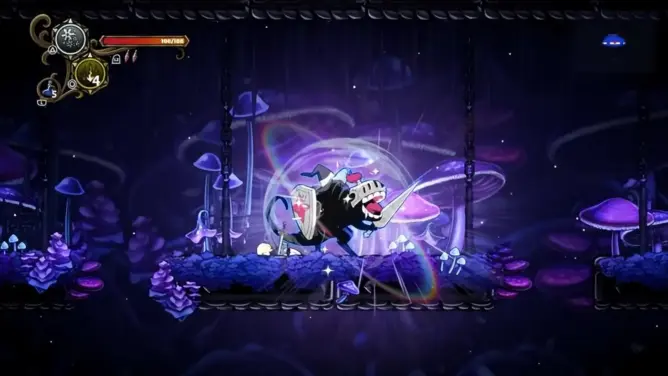
At its heart the game is a 2D action adventure that blends several well known styles. It merges the exploration driven design often seen in titles like Hollow Knight with the fast paced roguelite rhythm found in games such as Dead Cells. On top of those mechanics the developers add a complete farming system and even incorporate a possession mechanic that feels reminiscent of ideas used in Super Mario Odyssey. Cooperative multiplayer further enhances the experience, giving players the chance to explore the world together and multiply the sense of fun.
Just like the magical theme suggested by its title, the developers seem to behave almost like alchemists stirring different gameplay ingredients inside a giant cauldron. They experiment by mixing mechanics that normally belong to different genres. While combining so many systems inevitably introduces a few rough edges, the result still manages to create a unique flavor that stands on its own. Many indie developers aim for originality, but this project embraces experimentation in a way that feels both ambitious and playful.
The core gameplay revolves around a fusion of metroidvania exploration and roguelite progression. The experience often feels like a hybrid between Hollow Knight and Dead Cells. Players encounter randomly generated growth elements while still navigating carefully designed environments filled with enemies, traps, and branching paths. Although these two design philosophies might appear contradictory at first glance, their combination actually works surprisingly well.
Rather than generating entirely random maps, the game builds each run from several fixed structural templates. These frameworks appear in different combinations each time, with small variations added to keep the experience fresh. As a result the careful map design typical of exploration games remains intact. Platforming sections, environmental puzzles, and hidden areas that become accessible after acquiring new abilities all play major roles. Early areas include ruins and botanical gardens, while later stages expand into dungeons, underwater passages, and aerial routes filled with complex pathways.
As players progress they gradually unlock permanent abilities such as double jumps and aerial dashes. These upgrades make movement smoother and allow exploration to become increasingly fluid. Experienced players who grow familiar with map patterns can eventually move quickly through certain areas, skipping unnecessary exploration in order to gather key upgrades more efficiently.
The roguelite elements focus mainly on character progression. During exploration players discover blessings and magical tomes that enhance various abilities. While the character’s basic attack remains constant, each run introduces different spells and tools. Some spells launch long range magic orbs that deal moderate damage, while others summon floating swords that orbit the character and unleash powerful bursts capable of causing bleeding effects. Additional abilities include icy mist that gradually freezes enemies and various throwable tools such as knives and oil flasks that add tactical variety.
Together these systems create significant build diversity and randomness. Most builds revolve around balancing normal attacks, spells, and certain status effects. Although the attack patterns do not transform as dramatically as in some roguelite titles, the wide range of spells and items still allows players to experiment with many different combat styles. The rhythm of battle typically involves using normal attacks to generate energy that powers spells, meaning players must carefully balance offense and resource management to achieve maximum damage output.
Control responsiveness overall feels average but functional. The impact of attacks is satisfying, with smooth animations and clear feedback when enemies are struck. Dodging, however, occasionally feels slightly stiff and delayed. Because of this players sometimes need to end attack animations early, similar to strategies used in challenging action games, in order to avoid incoming damage. During normal encounters this limitation is barely noticeable, yet in extended boss battles it can disrupt the flow of combat. Even so the game’s creative mixture of exploration, progression, and experimentation continues to spark conversation across gaming spaces where readers frequently scroll through industry news after a Jeetbuzz App Download, proving that imaginative design still has the power to surprise players.